Sweden is an expensive country, but the prices that matter most to a visitor are published and stable: a museum ticket, a day of city transport, the airport train, a month of mobile data. This page collects the figures we could verify at source in 2026 and points out what is free, so you can build a budget from real numbers instead of a guessed “average day”.
Paying: card first, cash almost never
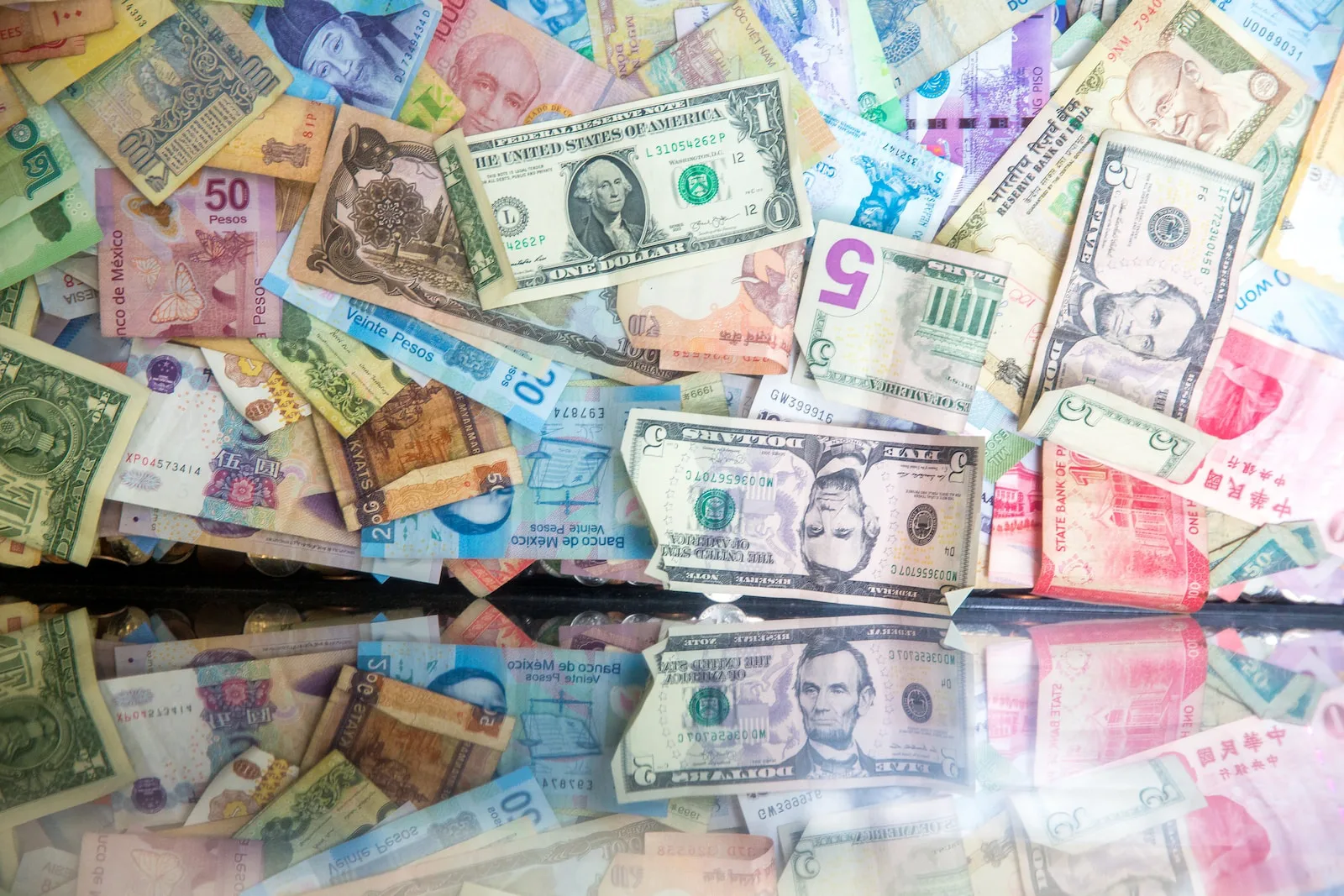
The currency is the krona, written kr or SEK. The Riksbank’s payments report for 2026 found that only 5 per cent of Swedes paid cash for their last in-store purchase, down from 10 per cent two years earlier, and that about one in three companies surveyed no longer accept cash at all. The central bank itself says cash is rarely used and that many small shops have stopped taking it. Plan to pay for everything by card; the Vasa Museum, for one, takes card only. Carry a little cash for a market stall and expect to bring most of it home.
For converting, the European Central Bank’s reference rate on 25 September 2026 was 11.29 kr to the euro. A rule of ten in your head is close enough: 100 kr is a little under 9 euros.
Prices you can plan around
Airport trains and city transport
From Stockholm Arlanda, the Arlanda Express costs 340 kr for an adult single and 460 kr for two adults travelling together, for a non-stop ride of 18 minutes. The SL commuter train takes 38 minutes and is cheaper, but a station fee of 157 kr applies at Arlanda Central unless your ticket already includes it. In Stockholm, an SL 24-hour ticket costs 180 kr for an adult. In Gothenburg, Västtrafik’s 24-hour ticket for zone A is 125 kr and a single is 38 kr. Passenger transport by train, bus, air and taxi carries 6 per cent VAT, which is always included in the price shown. Long-distance options are on the transport page.
Museums and attractions
Stockholm’s headline museums each publish a fixed adult price. The Vasa Museum charges 240 kr from May to September and 195 kr the rest of the year, with free entry for anyone 18 and under. Nationalmuseum costs 160 kr, is free under 20, and is free for everyone on Thursdays between 17:00 and 20:00. Drottningholm Palace is 170 kr and the Royal Palace in the city is 220 kr, or 240 kr from May to September. Skansen says its price varies by season and is lowest when bought online. In Gothenburg, Liseberg sells park entry online from 125 kr and entry with a ride pass from 425 kr during its autumn season. Visit Stockholm keeps a list of museums with free entry every day, including the City Museum and the Parliament House, and of those free on set days, such as Moderna Museet on Friday evenings in spring and autumn. Each has its own entry via the Stockholm city page.
Eating and drinking
We do not print an average restaurant bill, because no authority publishes one and menus move faster than this page. Two facts help all the same. Food and drink served in a restaurant or café carry 12 per cent VAT, while food bought in a shop has carried 6 per cent since 1 April 2026, so a supermarket picnic saves you tax as well as service. Tipping is welcome but not expected: Visit Sweden suggests rounding up, for example from 280 to 300 kr, or adding about ten per cent for good service, and says any service charge will be stated on the bill. Wine and spirits come from Systembolaget, the state-owned retailer, where you must be at least 20 and show ID on request; spirits, wine and strong beer also carry the full 25 per cent VAT. What to order is on the local cuisine page.
Mobile data
A Telia prepaid Fastpris package for 30 days costs 199 kr with 5 GB or 299 kr with 20 GB; a 7-day 1 GB package is 69 kr. More on the connectivity page.
Sleeping
Hotel and hostel rates are set by the market and swing with the season, so there is no reliable average to quote. Rooms in hotels, guesthouses and hostels, and camping pitches, all carry 12 per cent VAT, included in the rate. The cheapest bed in Sweden is free: under the right of public access you may pitch a tent on most land for one or two nights, out of sight and earshot of homes, and a group with several tents needs the landowner’s permission. The accommodation page covers the paid options.
Practical tips
- Buy attraction tickets online where the operator advertises a lower price; Skansen and Liseberg both do.
- Use the free evenings: Nationalmuseum on Thursdays, Moderna Museet on Fridays outside summer, and the everyday free museums on Visit Stockholm’s list.
- If you plan more than a few rides in a day, a 24-hour transport ticket is the simpler buy; the SL ticket is valid on all SL traffic in Stockholm county, so it also covers the commuter train from Arlanda once you have paid the station fee.
- Bring a card without foreign-transaction fees; nobody will look surprised when you tap for a coffee.
- Driving in Stockholm or Gothenburg? The congestion tax applies to cars registered abroad and is billed afterwards through EPASS24, so it belongs in your budget.
What to check before you go
- If you need a Schengen visa, Sweden expects you to show 700 kr for each day of your visit; the visa page has the rest.
- Seasonal prices: the Vasa Museum and the Royal Palace switch to their higher rate in May and back in October, so a shoulder-season trip saves a little on each ticket.
- Every figure above is a 2026 price; confirm it on the linked page the week you travel.
- The euro or dollar rate against the krona on the ECB page, since a swing of a few per cent changes every figure on this page.